
Your paddle can be just as important
as the right board.
Tested on real water by the same people who design our boards. Four paddles. One for each kind of paddler.
Find your paddle in 30 seconds.
The lineup.
Four paddles. Each one built for a different paddler.
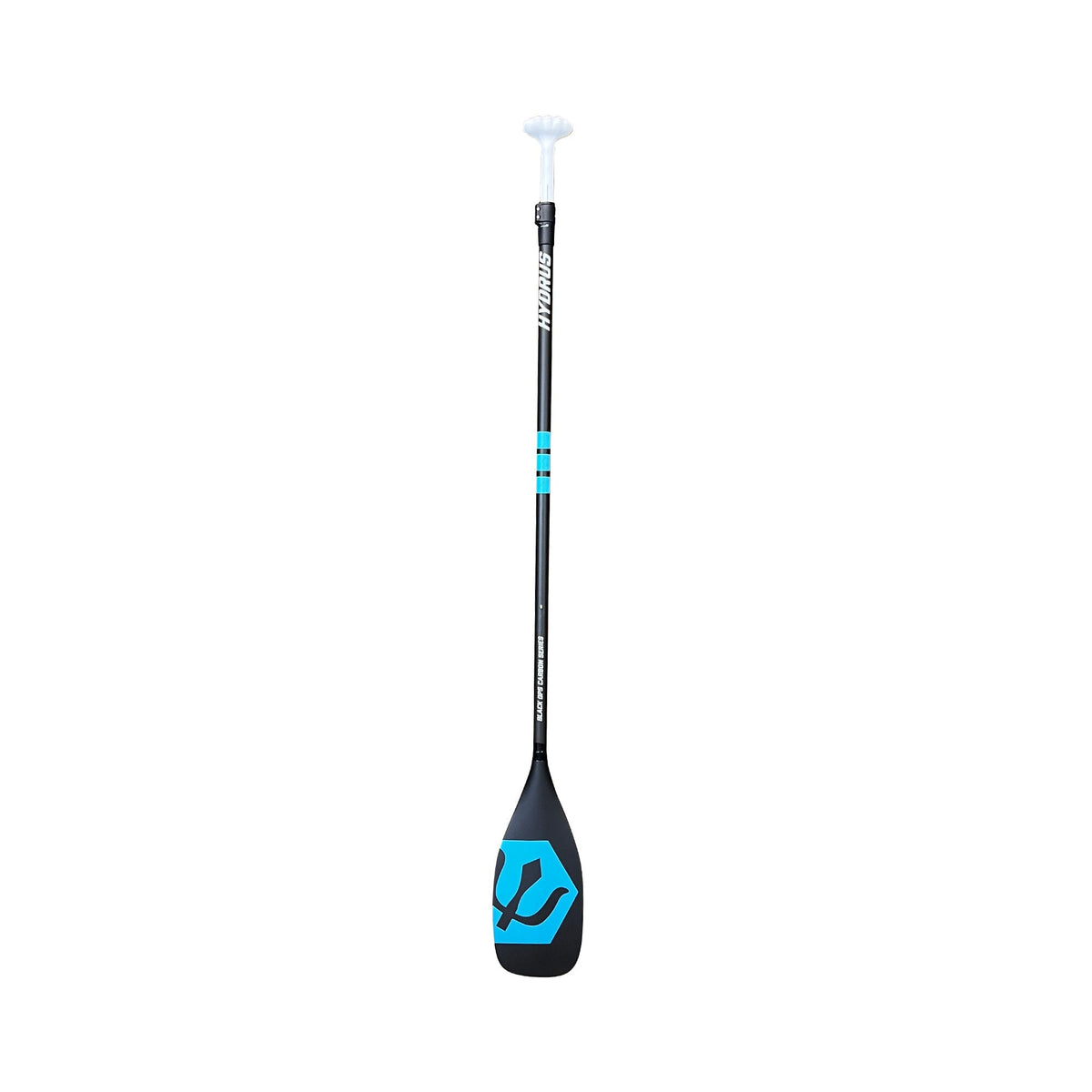


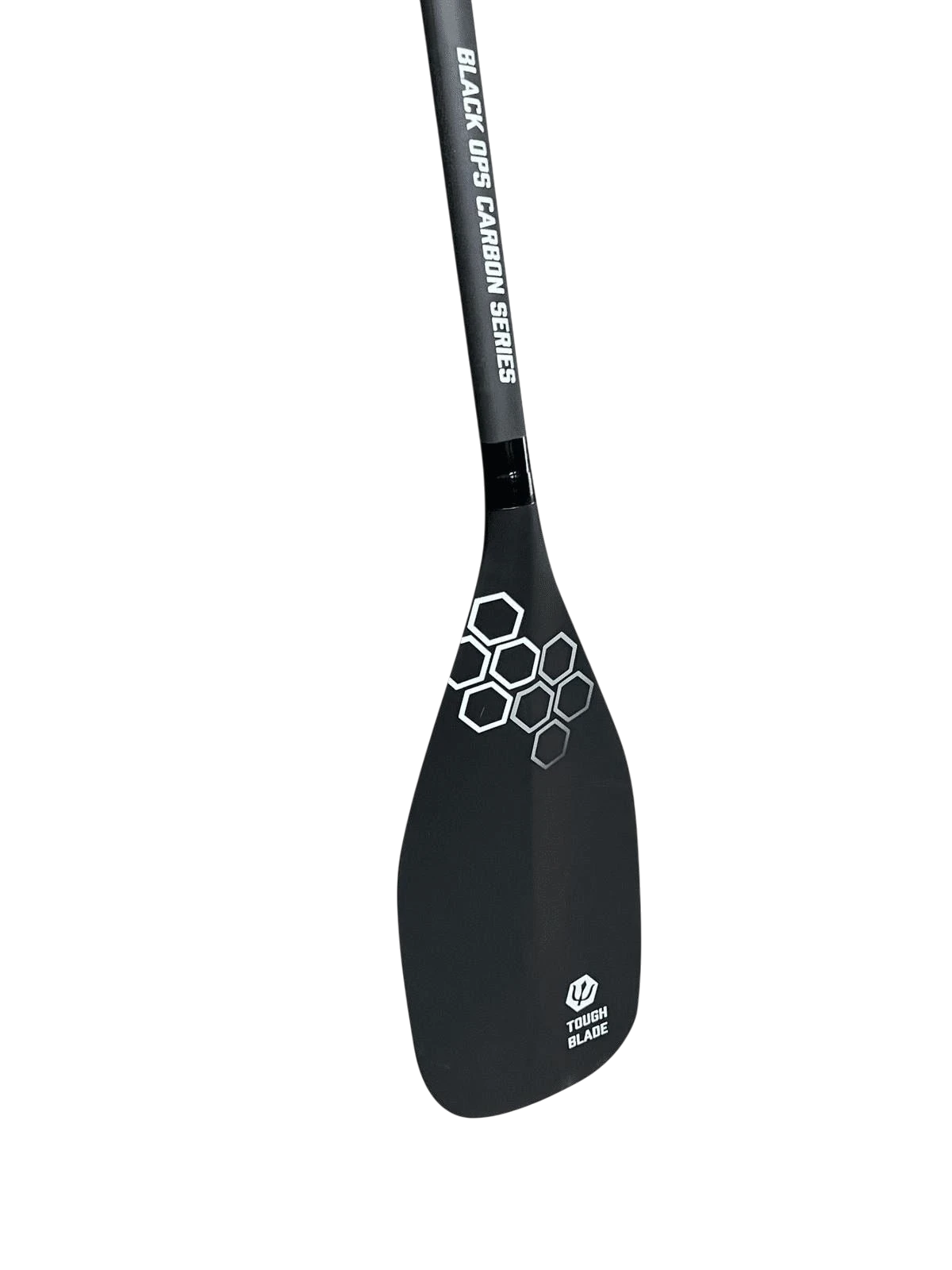
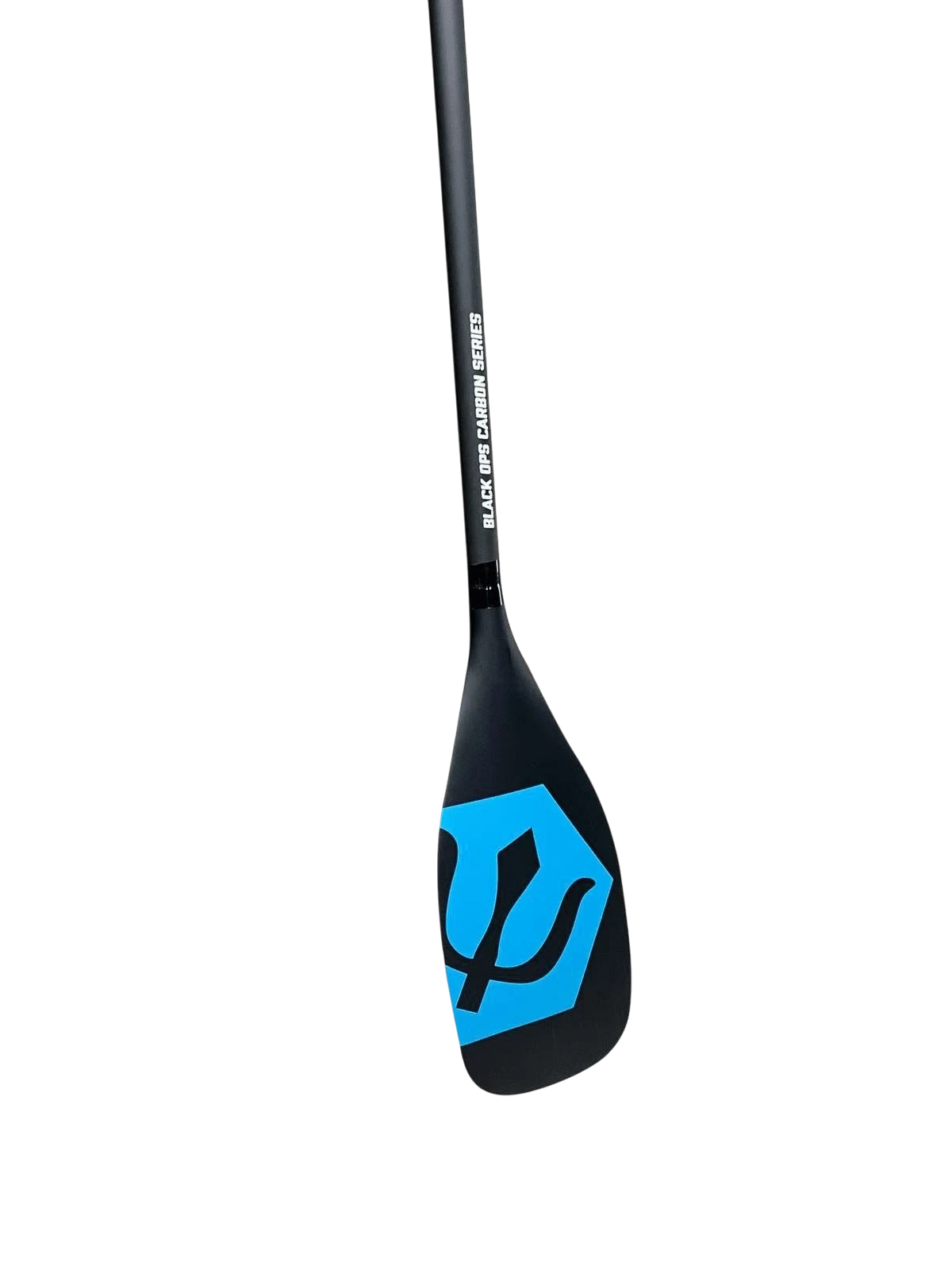
Adjustable Tough Blade Carbon Paddle
One paddle, whole household. Carbon shaft and Armalight composite blade. Adjusts from 65 to 87 inches and breaks into 3 pieces for travel. The most-bought paddle in the lineup, and for good reason: it fits everyone in the house and rides any water.
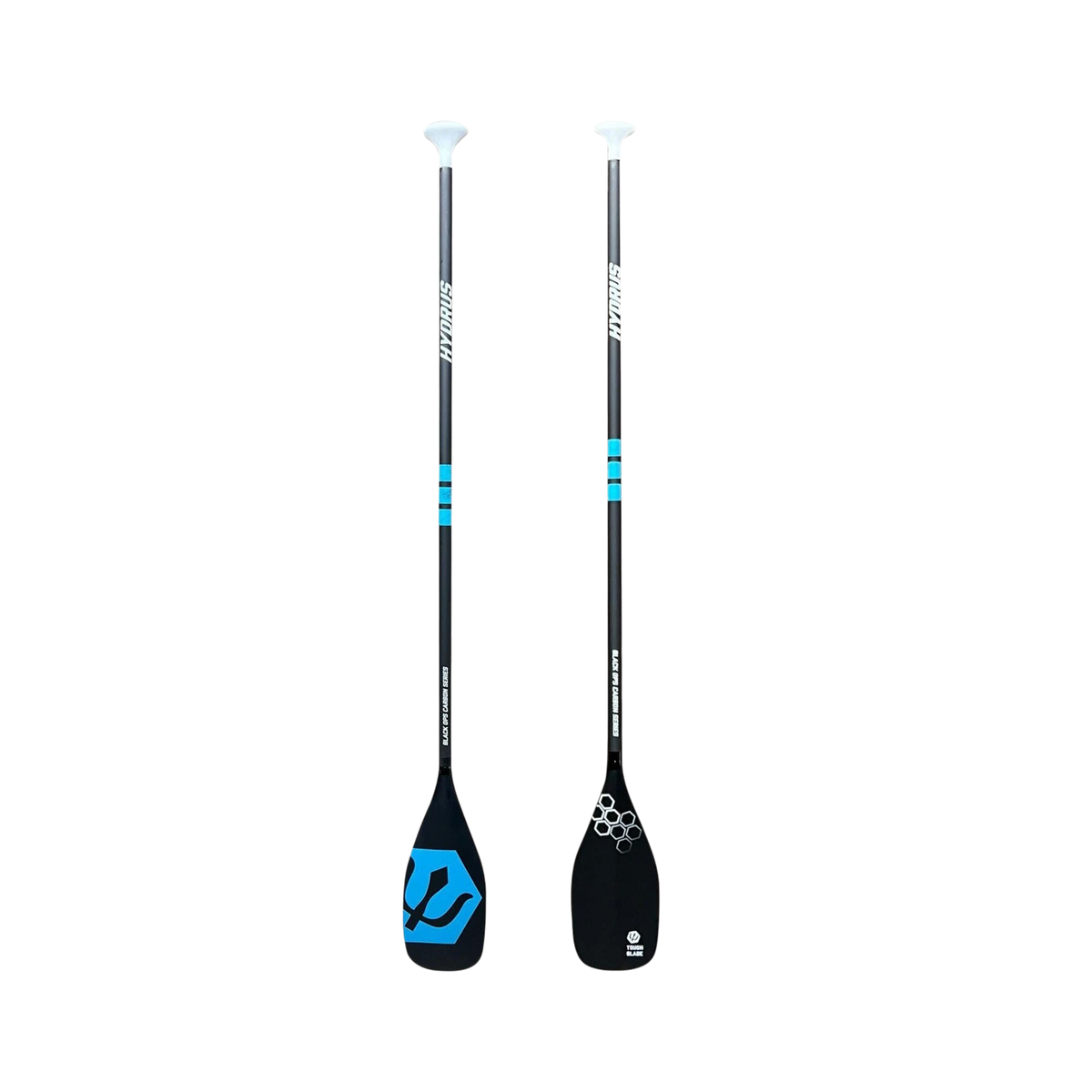
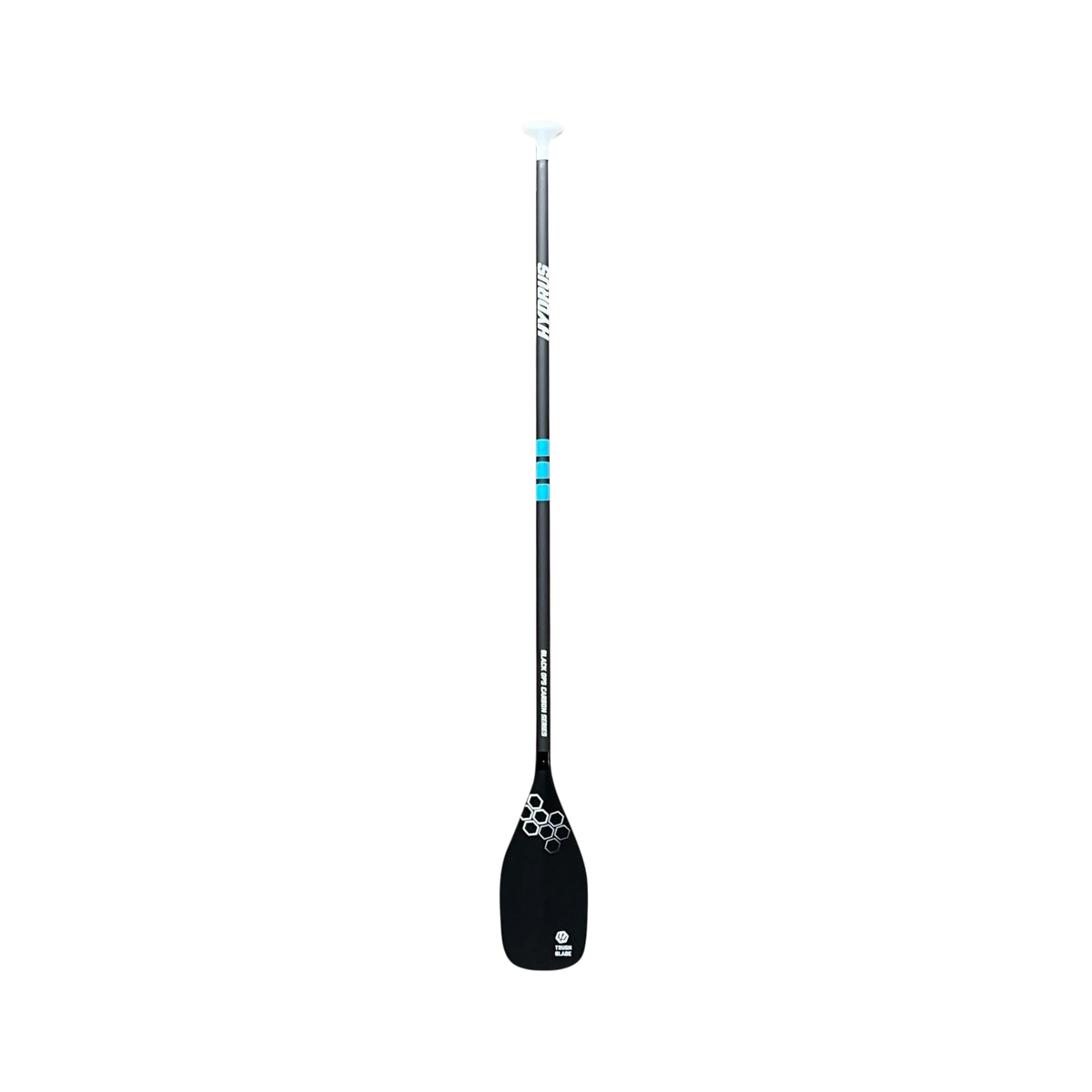
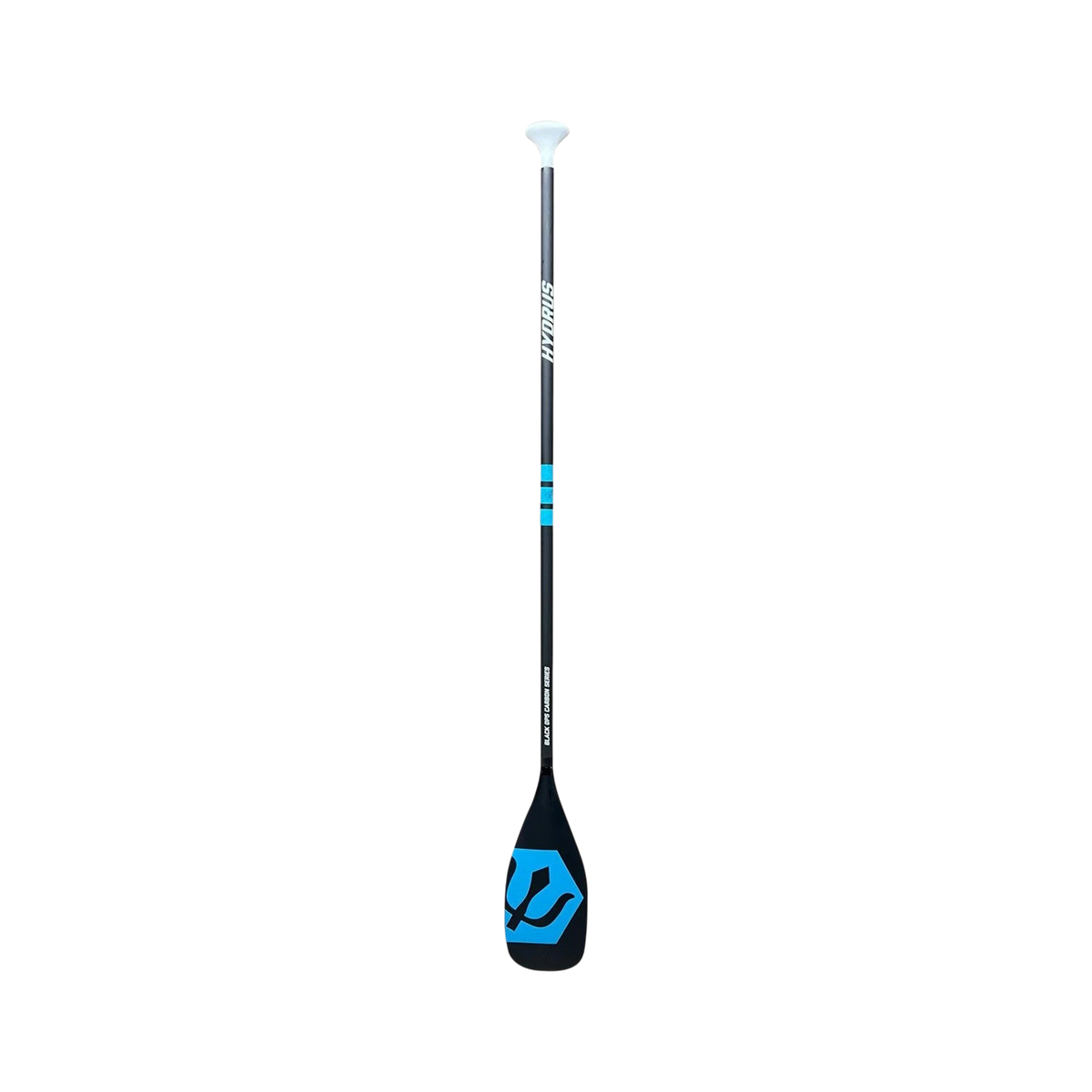
Tough Blade Carbon Paddle
Single paddler, dialed-in fit. Same Armalight blade as the Adjustable, no joints to bleed off stiffness through. Custom-cut to your length at checkout. The right pick for a single dedicated paddler who knows their preferred height.
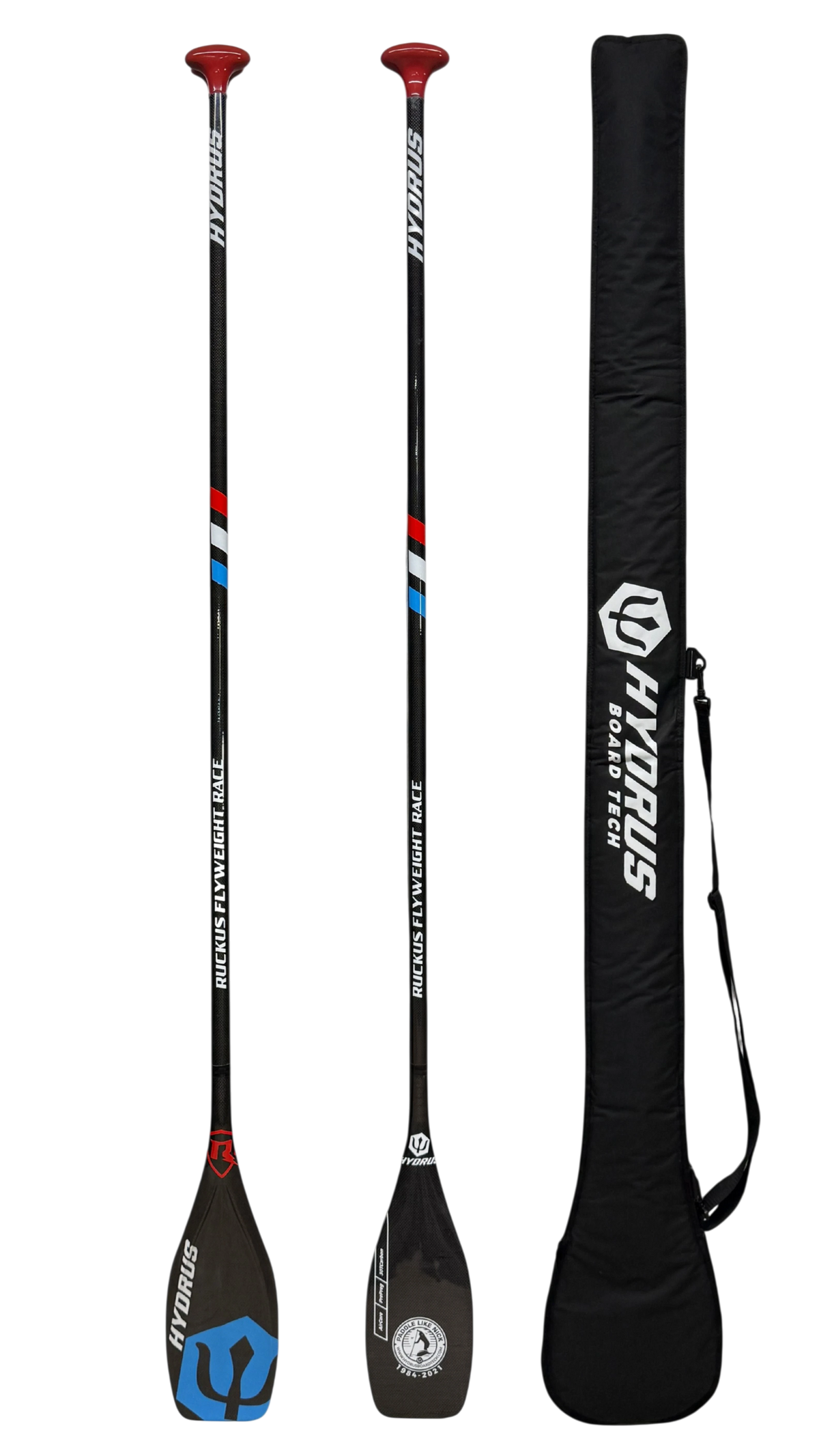
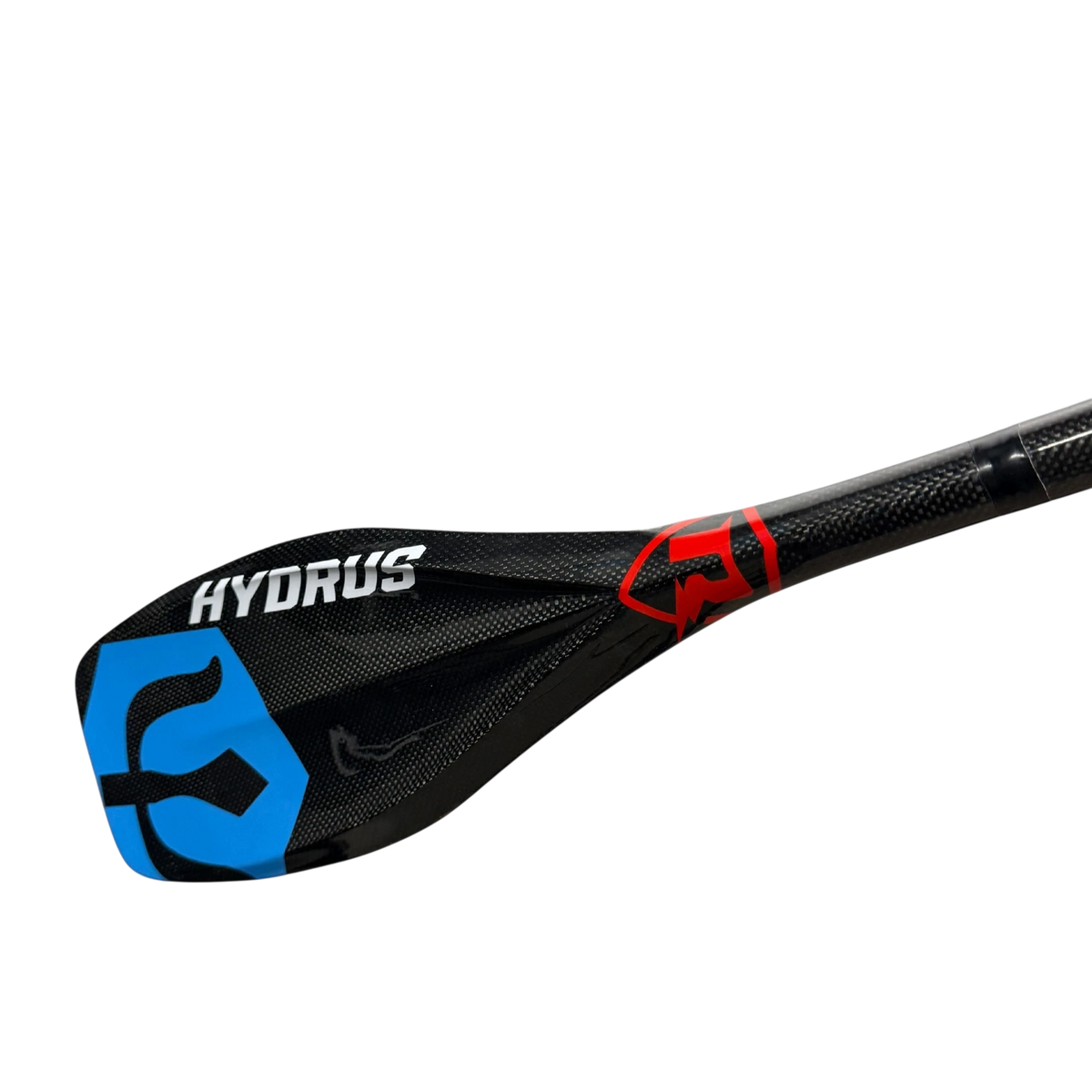
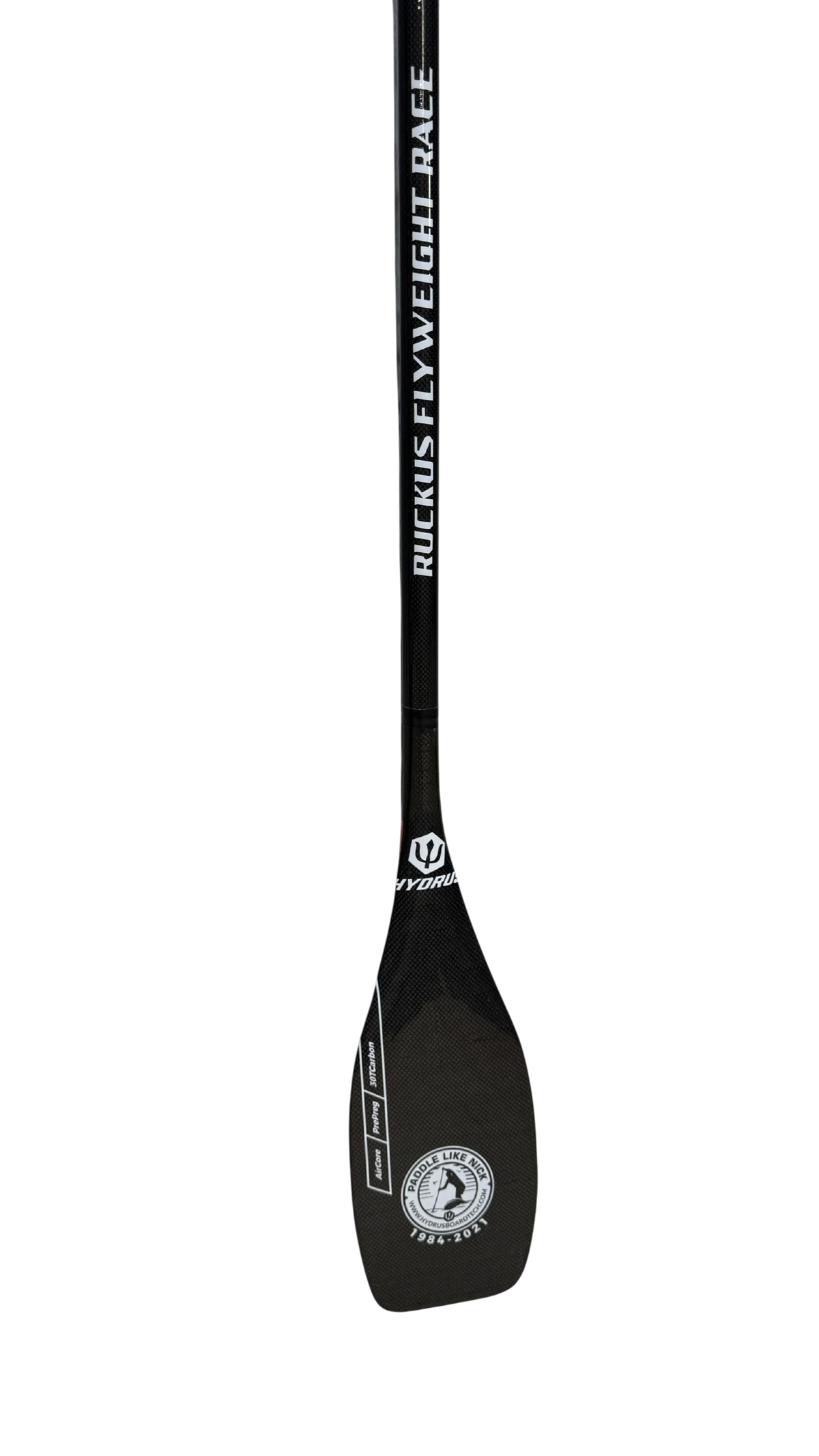
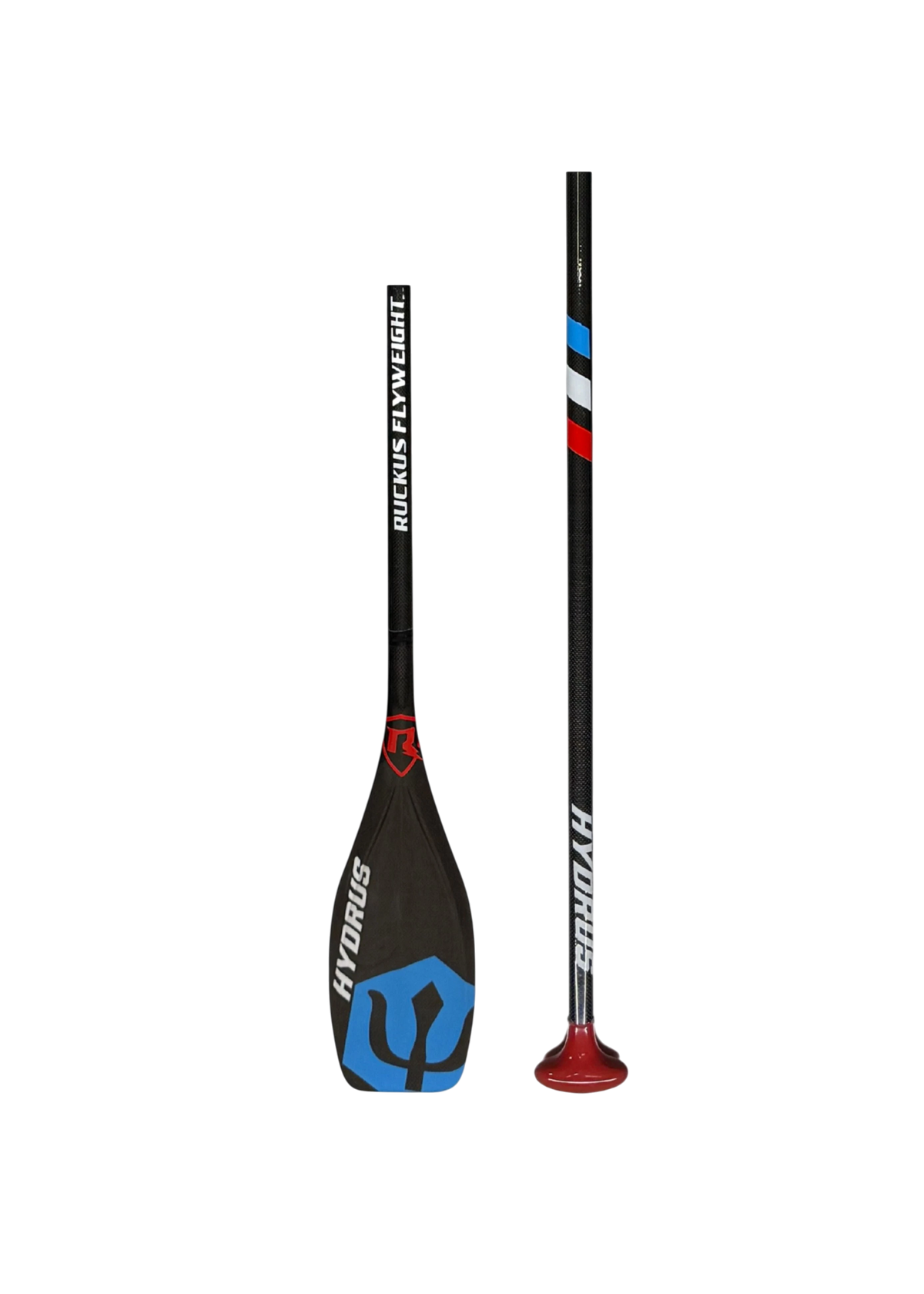
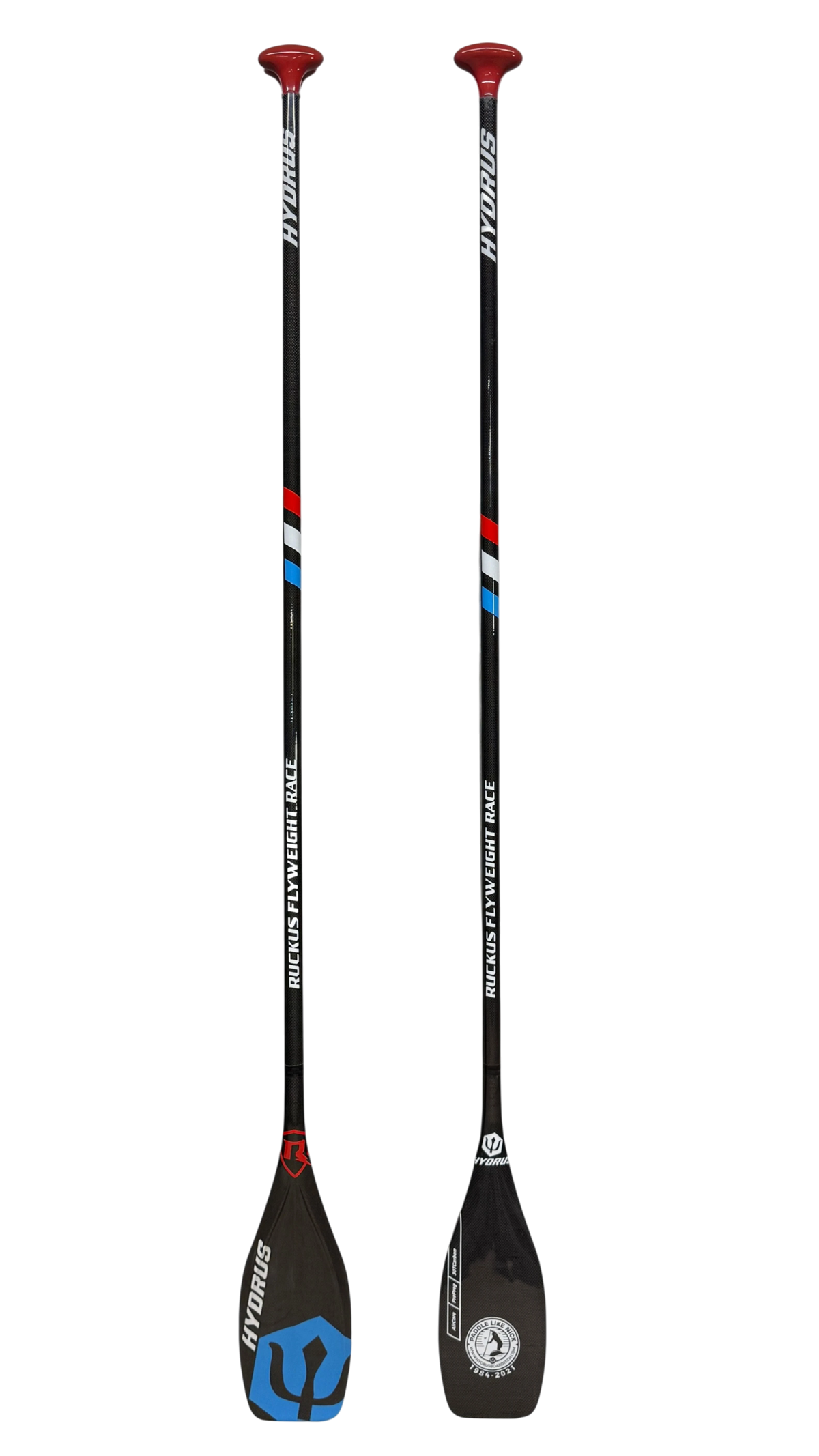
Ruckus Flyweight Carbon SUP Paddle
13.9 oz of 30T pre-preg carbon. Lighter than most race paddles, stiffer than most all-around carbons. Double-concave blade locks into the catch and holds through the power phase. Built for paddlers who feel every stroke by hour three.
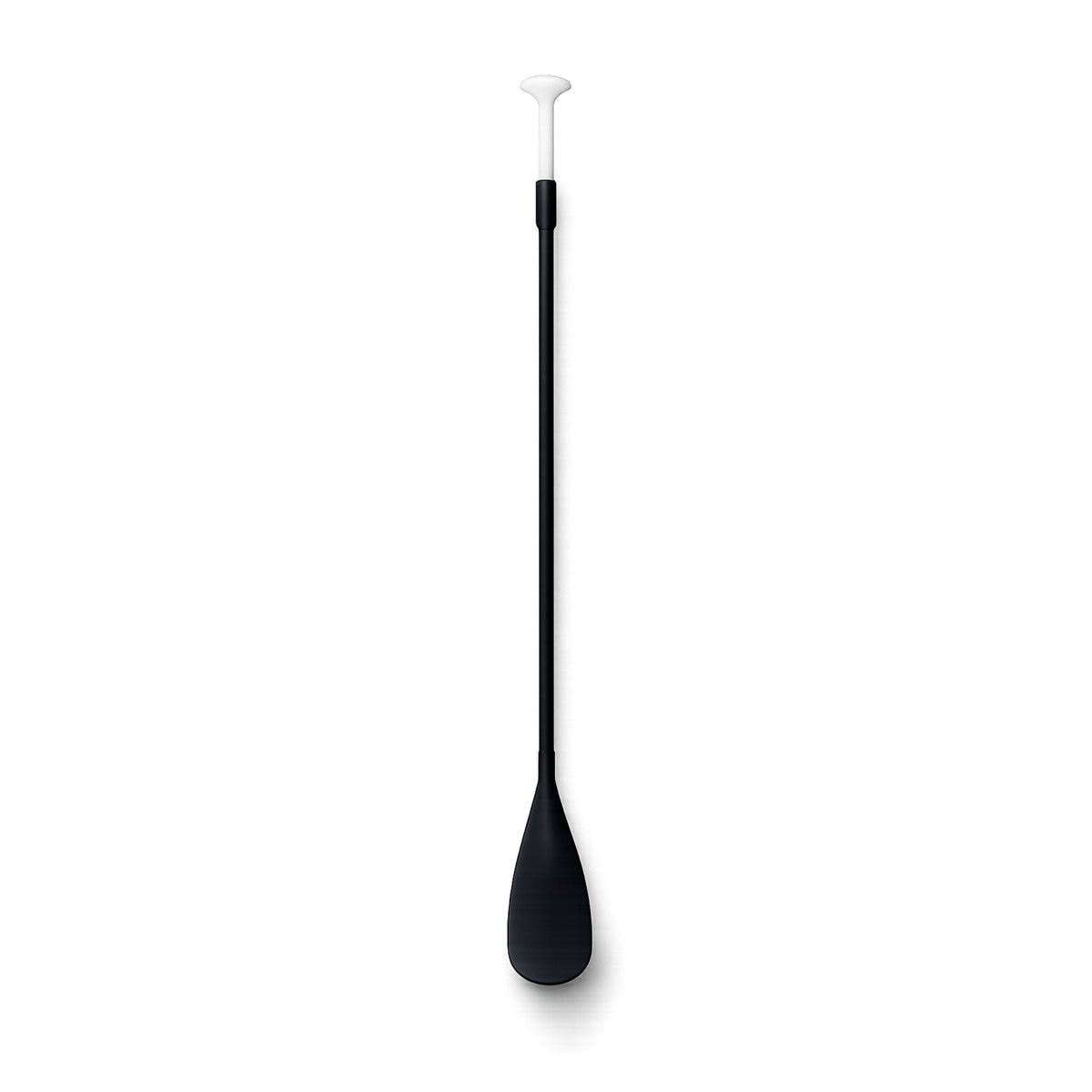
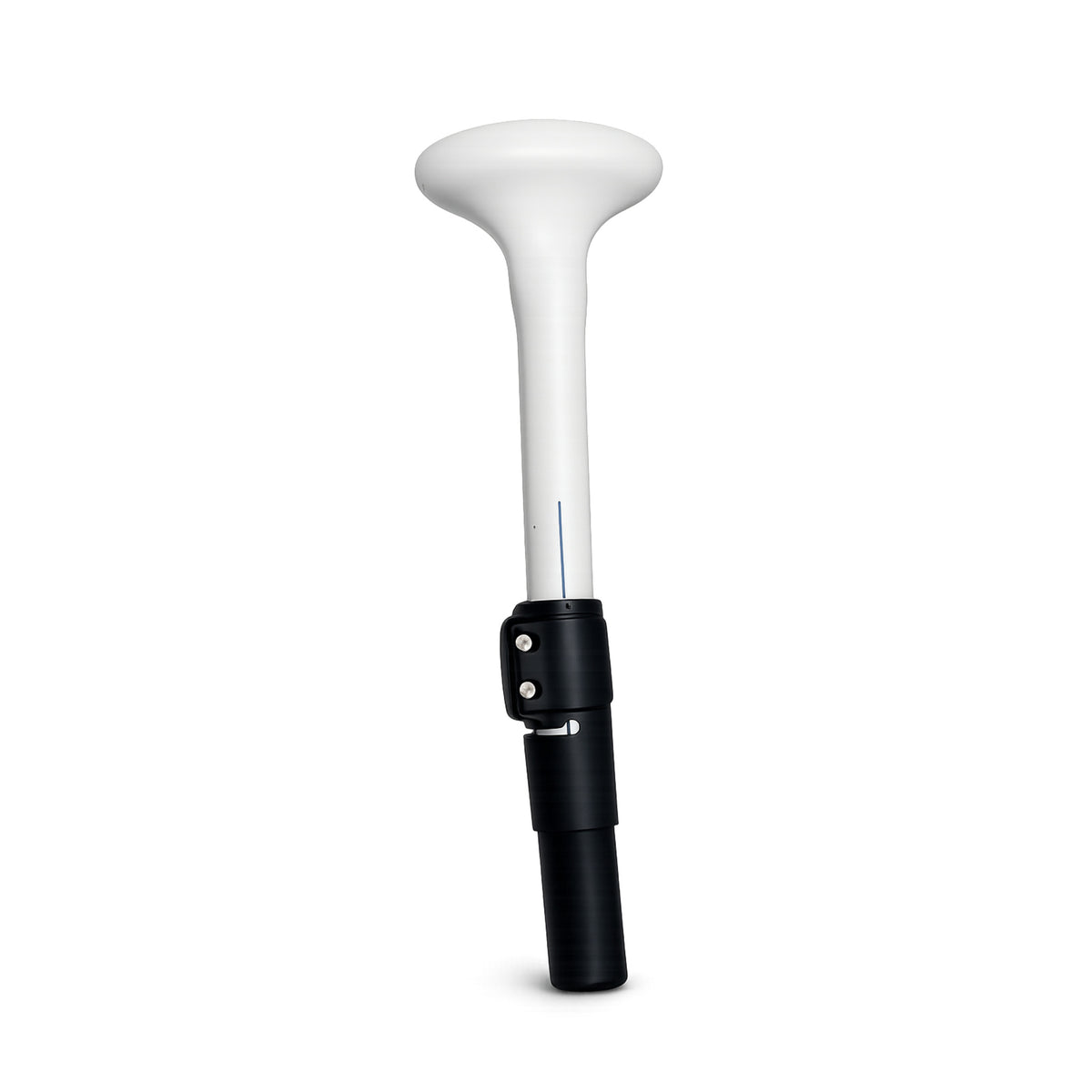
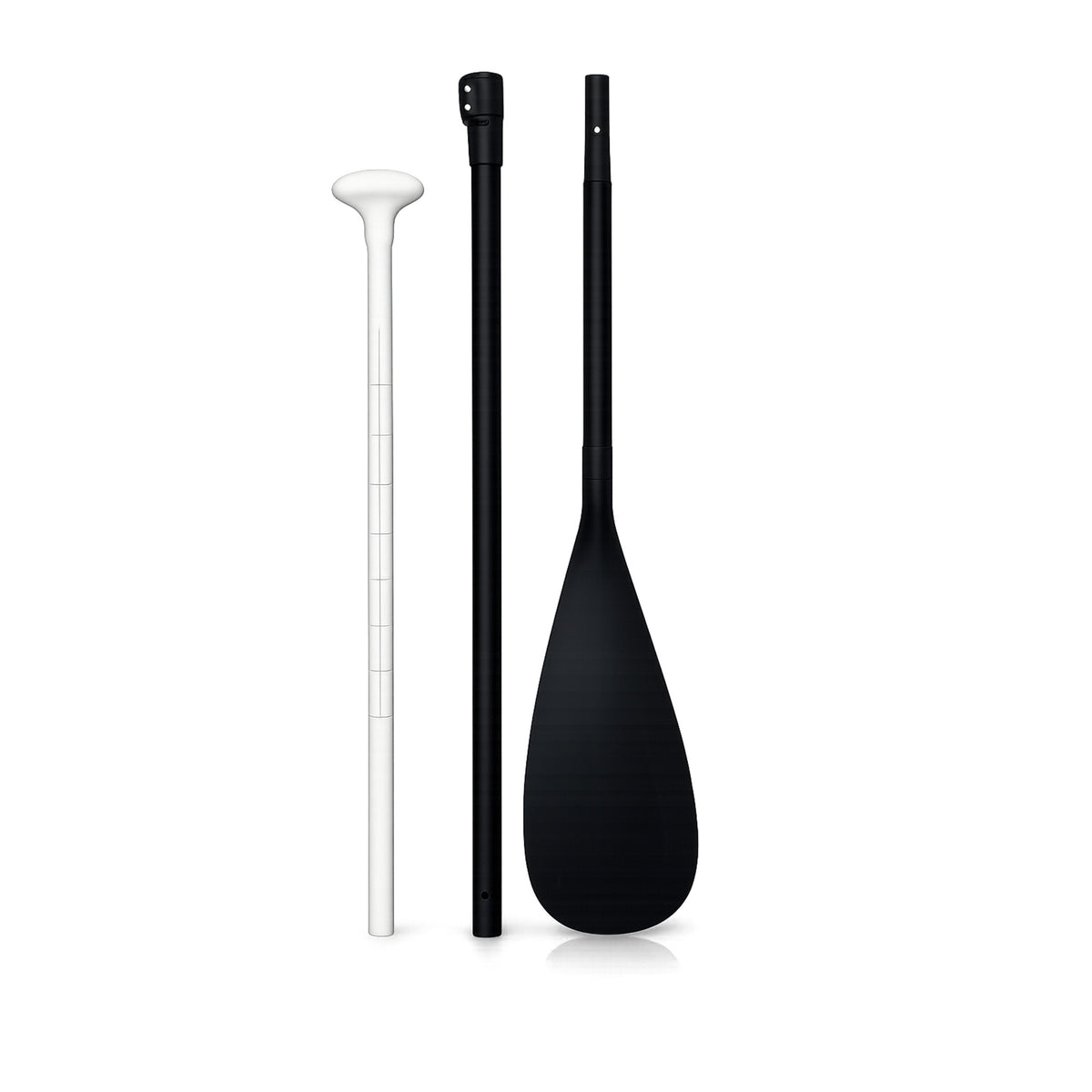
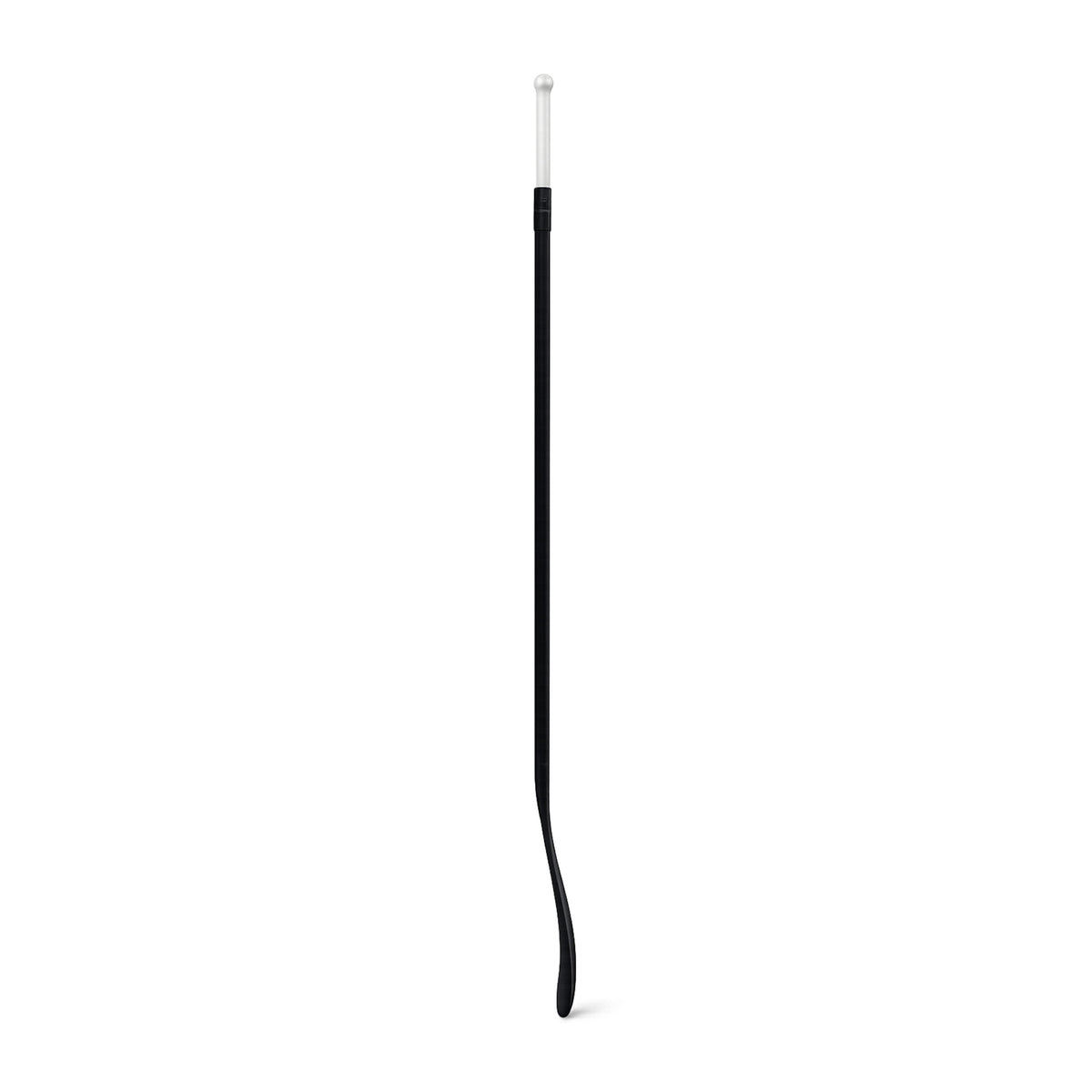
The Everyday Paddle
The paddle you don't baby. A fiber-reinforced nylon blade that won't chip or crack, no matter what you hit. Push off rocks, brace on the bottom, hand it to the kids, loan it to a friend. Things we'd tell you not to do with a carbon blade are no problem here. Same sealed lever-lock adjustment as our Tough Blade, a real fiberglass handle, and it floats.
| Adjustable Tough Blade | Tough Blade One-Piece | Ruckus Flyweight | |
|---|---|---|---|
| Best for | Households, travel | Single paddler, all-around | Performance, racing |
| Weight | 26 oz | Light (custom) | 13.9 oz |
| Blade material | Armalight composite | Armalight composite | Pre-preg carbon |
| Shaft material | Carbon fiber | Carbon fiber | 30T pre-preg carbon |
| Adjustability | 65 to 87 inches | Custom-cut, fixed | Custom-cut, fixed |
| Travel breakdown | 3-piece, packs in Mothership bag | One-piece (no breakdown) | One-piece (no breakdown) |
| Retail price | $234 | $298 | $375 |
Most paddles are built to one extreme. Neither works.
Most paddle construction picks a lane and camps there. All-carbon is the lightest but the most brittle. All-fiberglass is forgiving but heavy. Aluminum-plastic is indestructible and deadens every catch. The reason paddles end up at an extreme is not engineering. It is cost. The cheapest construction path is also the most extreme one.
Every Hydrus adult paddle uses a carbon fiber shaft and an Armalight composite blade. Carbon for the parts you want stiff and light. Composite for the parts that take impact. Different materials, chosen for what each part actually does.
All-Carbon
Stiff and light. The lighter the carbon, the more fragile it is. One rock strike or concrete drop ends the paddle. Premium brands keep getting this lighter by using less material. That is where the brittleness comes from.
All-Fiberglass
Hard to break. It also dampens the stroke. Fiberglass flexes under load, which means less of your energy moves the board. Fine for casual paddlers. Tiring for everyone else.
Aluminum / Plastic
Cheap and bulletproof. Also heavy and flexy. Plastic blade hits the water like a wet cardboard square. The paddle that comes free with most beach-toy SUPs. Works. Makes you tired by hour two.
Carbon shaft for the stiffness and low swing weight you want when you grip it for an hour. Armalight composite blade — carbon plus our impact-resistant blend — so the blade can take rock strikes, sand, gravel, dock edges, and concrete drops without splintering. The Ruckus race paddle uses 30T pre-preg carbon throughout for paddlers who want every gram. Different paddler, different paddle. Same idea: pick the material for the job, not the marketing.
With most premium race paddles, you are paying for less material, not more. The weight savings come from shaving wall thickness until the blade is thin enough to crack on a hard catch. The Ruckus went the other direction: 30T pre-preg carbon, properly sized.
Blade shape
The blade profile most paddles use is the cheapest one to mold. We tested 14 alternatives. The one that holds the catch and pulls clean is the one in your paddle now.
Adjustment system
Push-button adjusters let water into the shaft. Water pools, adds weight, and corrodes hardware. Our cam-lock seals. Slightly slower to adjust. Dry forever.
Shaft taper
A variable-taper shaft transfers more load through the power phase than a uniform tube. The difference is subtle. You feel it by the end of a long session.
Grip
Palm-shaped T-grip vs. a generic ball. Smaller difference than the blade and shaft, but it is there. Your hand is on it for hours.
Already know what you want? Skip to the lineup →
What you are actually paying for in a paddle.
The biggest comfort upgrade after the board itself is a real paddle. Lighter paddle equals less fatigue equals longer paddles equals better technique. The paddle that comes with most beach-toy SUPs is plastic with an aluminum tube core. It works. It also makes you tired by hour two.
Every carbon Hydrus paddle uses a carbon fiber shaft. No fiber-reinforced plastic with carbon decals. The blade on our carbon adult paddles is the Armalight composite we developed for our hard boards. The Everyday Paddle uses a fiber-reinforced nylon blade instead, built for durability over featherweight speed. The Ruckus race blade is full pre-preg carbon for paddlers who weigh every gram.
Direct-from-builder pricing. A comparable carbon paddle at REI runs $300 to $450 because of the markup chain. Ours runs $115 to $375 because we sell direct. The strikethrough you see on each price is the original retail price the paddle would carry through retailers. The price you pay is direct from the people who designed it. Read the full pricing model on our pricing page.
Honest answers, no hedging.
What paddlers actually ask before they buy. The answers are opinionated. We have built and tested every paddle in this list, so we know what we think.
How long should my SUP paddle be?
Here is the honest version, and it runs against most of what you will hear on YouTube, from friends, or even on other brands' sites: 7 inches over your height is the most you ever need. We cap our recommendation there for two reasons: shoulder safety and a cleaner, more efficient stroke. For all flatwater paddling, your height plus 5 to 7 inches covers it. Standing tall on a mellow cruise, 7 over is still perfectly good. The only time you go shorter is whitewater or SUP surfing, where you are hunkered down with bent knees working to balance. Anything longer than 7 inches over your height is unnecessary.
What paddle length for a 5'10 paddler?
At 5'10 (70 inches), that puts you at 75 to 77 inches for flatwater, with 77 as your ceiling. Cruising tall and mellow, go to the top of that range. If you paddle aggressively, drop into a lower stance, or you are surfing or in whitewater, size down a couple inches. The Hydrus Adjustable Tough Blade spans 65 to 87 inches, so you can dial in your exact number across a few sessions. The Ruckus Flyweight is custom-cut at checkout, so tell us your height or text us and we will get it right.
Carbon vs fiberglass SUP paddle: which is better?
Different jobs. Carbon is stiffer and lighter, fiberglass is more durable but heavier and softer. A carbon shaft transfers more of your stroke energy into the board. A fiberglass blade absorbs more impact when it hits a rock. We do not pick one. We use carbon for the shaft and an Armalight composite blade so you get the carbon stroke feel and a blade that survives real water. All-fiberglass paddles are forgiving but tiring. All-carbon paddles are responsive but break.
Is a carbon SUP paddle worth the extra money?
If you paddle more than once a month, yes. Carbon shafts are 30 to 50 percent lighter than aluminum and stiffer than fiberglass. You feel the difference at hour two, not minute two. If you paddle a few times a year on flat lakes, an aluminum-shaft paddle is fine. If you paddle weekly or push distance, the carbon upgrade pays for itself in less fatigue and better technique. Hydrus carbon paddles start at $202, well below the $300 to $450 carbon paddles at REI because we sell direct.
Are 3-piece adjustable paddles less stiff than one-piece paddles?
Slightly, yes. Joints add a tiny amount of flex compared to a continuous one-piece shaft. For most paddlers, the difference is unmeasurable in actual paddling. For competitive racers who feel every gram, it is real. Hydrus Adjustable Tough Blade uses a sealed cam-lock joint that locks tight enough that most paddlers never notice. Ruckus Flyweight is one-piece custom-cut for paddlers who chase the marginal stiffness gain.
Why are SUP paddles so expensive?
Two reasons. Real materials cost real money. Carbon fiber, composite blades, sealed hardware, marine-grade epoxy are not cheap inputs. Most of the price is markup, not material. Big retailers add 25 to 35 percent on top of wholesale, and brands spend another 15 to 25 percent on ads. We sell direct, so that markup is gone. You pay for what is in the paddle. Read the full pricing model on our pricing page. Our $202 paddle uses the same caliber materials as a $400 retail paddle.
Are race paddles worth the premium?
Honest answer: only if you race or paddle long distance. The Ruckus Flyweight is 13.9 ounces, about 12 ounces lighter than the Adjustable Tough Blade. By hour three of paddling, you feel every ounce in your shoulder. For racers and tourers covering distance, the weight savings translate to less fatigue and better stroke economy. For weekend lake paddlers, the difference is invisible. Many premium race paddles cost $400 to $500 and shave grams by using less material. That means more brittle blades and shaft flex on hard catches. The Ruckus took the opposite approach: 30T pre-preg carbon properly sized for the catch.
Can I fly with my SUP paddle?
If it breaks down into 3 pieces, yes. The Hydrus Adjustable Tough Blade and Everyday Paddle disassemble into 3 pieces and pack into the Mothership Paddleboard Backpack along with your inflatable board. Total dimensions check as standard luggage on most airlines. Custom-cut one-piece paddles like the Tough Blade One-Piece and Ruckus Flyweight do not break down. Air travel for those paddles requires shipping ahead or paying oversize-luggage fees. Plan around your paddle the same way you plan around your board.
How do I clean and maintain my SUP paddle?
Rinse with fresh water after every saltwater session. Salt eats hardware. For adjustable paddles, disassemble before storage and let the shaft fully dry inside. Trapped moisture is the single most common reason adjustable paddles fail early. Avoid leaving the paddle in a hot car or direct sun for extended periods (heat softens epoxy). For deeper cleaning, mild soap and water on the blade and shaft. No solvents, no dishwasher.
What makes Hydrus paddles different from Werner, Black Project, or KIALOA?
Two things. Materials match function. A composite Armalight blade plus carbon shaft gives you the stroke feel of carbon with impact resistance most premium paddles cannot match. Direct pricing. Premium paddle brands sell through retailers and carry the markup that comes with it. We sell direct. Same tier of materials, none of the retail margin.
What is the warranty on a Hydrus paddle?
Lifetime warranty on manufacturing defects. Same as our boards. If the blade delaminates, the joint fails, the shaft cracks under normal use, we replace it. The warranty does not cover impact damage from rock strikes, dock drops, or other external impact (no paddle warranty does). Our paddles are built more impact-resistant than most so you should not hit that ceiling often. We also include a 30-day on-water trial. Paddle it on real water and if it does not work for you, send it back.
What's your most durable paddle, and can beginners really abuse it?
The Everyday Paddle. Its fiber-reinforced nylon blade won't chip or crack no matter what it hits, so it does the things we'd tell you not to do with a carbon blade. Push off rocks, brace on the river bottom, run shallow water, hand it to your kids, loan it to the friend who's never paddled. There's nothing on it you need to protect. It trades a little stroke efficiency for that toughness (a nylon blade flexes where carbon stays stiff), so serious distance and race paddlers will still want the carbon Tough Blade or the Ruckus. For everyone else, learning or loaning or just not wanting to baby their gear, it's the easy pick. It floats too.
Ready to pick
yours?
Tell us what board you have and how you paddle. We will match you to the right one. Or read the full pricing model if you want to see what you are actually paying for.
Text us. We're happy to help.Or read our paddle guide in the Learning Center.