



The Science of SUP: Why Paddling Feels Different in Cooler Weather

Fall paddleboarding has its own rhythm. The air is crisp, the water feels calmer, and your body reacts differently than it does in summer. You may notice that paddling feels both easier and harder in different ways, and there’s actually some science behind it.
At Hydrus, we love helping paddlers not only enjoy their time on the water but also understand it. When you know why your body and your board respond differently in cooler conditions, you can adjust your technique, gear, and mindset for the best experience. Here’s why paddling in fall feels unique and how you can make the most of it.
Your Body in Cooler Weather
When temperatures drop, your body works differently to maintain balance and energy. The crisp fall air feels refreshing, but it also forces your body to adjust faster.
Body Temperature and Energy Output
Cooler weather makes it easier to paddle longer without overheating. Your body doesn’t need to work as hard to cool itself, which means more energy can go directly into your strokes. That’s one reason why fall is a great time for endurance paddles or trying longer routes.
On the other hand, cooler conditions also mean your body uses more energy to stay warm. That’s why layering properly and fueling up with snacks becomes extra important. You’re burning calories to paddle and to regulate temperature at the same time.
Endurance and Recovery
Many paddlers find that they recover more quickly in cooler weather. Since your muscles don’t get as hot and inflamed, post-paddle soreness is often less intense. Think of it as a natural cooling system that helps you bounce back faster.
The trade-off is that cold muscles can feel stiff in the beginning. A warm-up on land, even a few minutes of stretching or light movement — helps prepare your body so your first paddle strokes feel smooth.
Water Density and Resistance
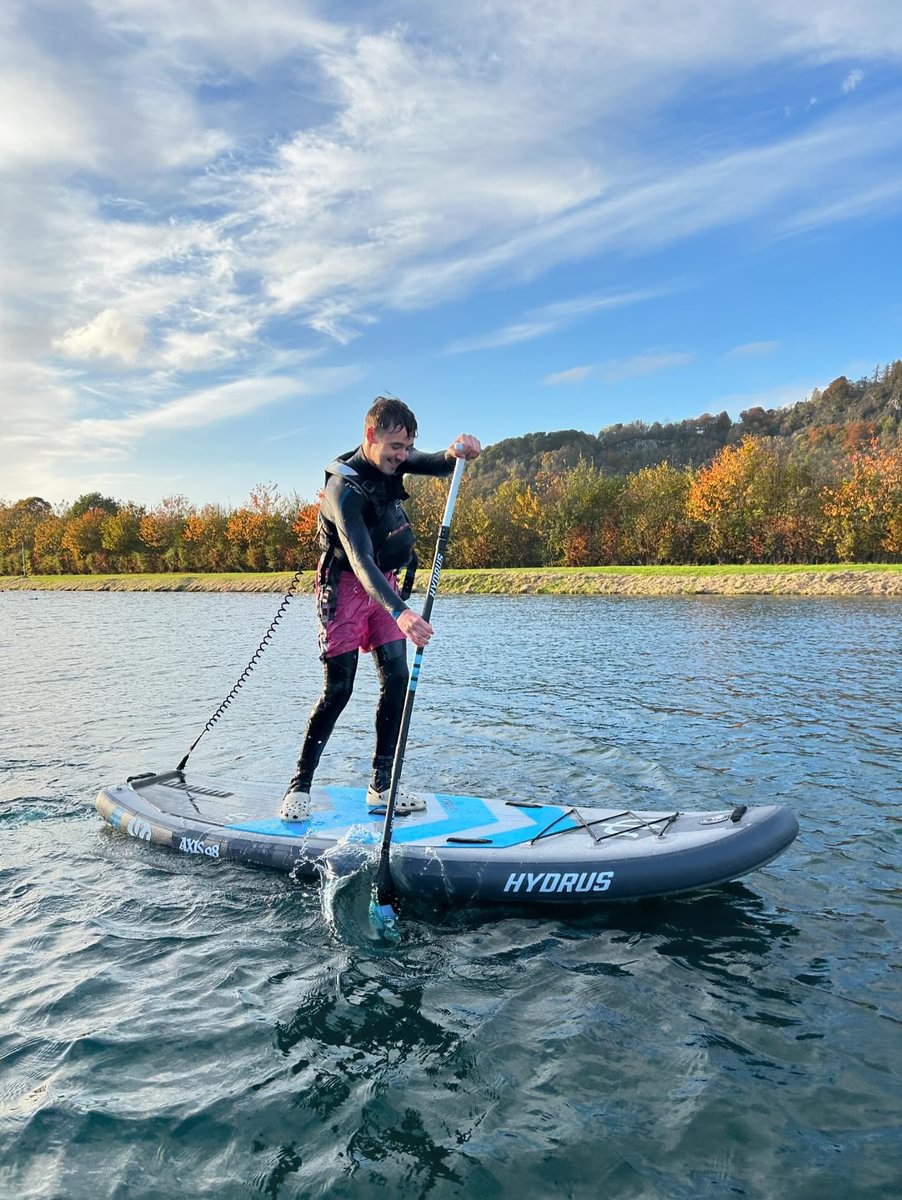
The science of water changes with temperature, too. Cold water is slightly denser than warm water, which means your paddle meets a bit more resistance with each stroke. It’s subtle, but it adds up over distance.
For many paddlers, this resistance actually improves stroke technique. You can feel the “catch” of your paddle more clearly, which helps refine your form. But it also means you’re working a little harder with every stroke, even if you don’t notice it right away.
The good news? More resistance means a better workout. If you’re looking to build strength and efficiency, fall paddling gives you an extra boost without changing your routine.
Breathing in Crisp Air
Cooler air has a higher oxygen density than hot, humid summer air. This is why many athletes love training in the fall: your body gets more oxygen with every breath, which improves stamina and endurance.
On the flip side, cold air can feel sharp in your lungs, especially if you paddle early in the morning. Breathing through your nose, or wearing a lightweight buff, can help warm the air slightly before it hits your lungs. Once your body adjusts, the increased oxygen intake can make your paddles feel smoother and more powerful.
Mental Boosts of Fall Paddling
Science doesn’t stop at the body — it also affects your mind. Cooler weather lowers stress hormones and can increase endorphins, which are the feel-good chemicals your brain releases during exercise. That’s why many paddlers report feeling calmer and happier after a fall session.
Add in the natural beauty of fall colors, quieter waterways, and shorter but more peaceful days, and you have the perfect recipe for mental clarity. This combination of physical and psychological benefits is why so many paddlers fall in love with autumn SUP.
How to Adapt Your Paddling in Cooler Weather

Knowing the science helps, but putting it into practice makes the biggest difference. Here are some practical ways to adjust:
Layer Up Smartly
Dress for the water, not just the air. Wetsuits or dry suits paired with moisture-wicking layers keep you warm without overheating. Don’t forget accessories like booties or gloves, which help your body conserve energy by protecting heat loss in your extremities.
![]() Fuel and Hydrate
Fuel and Hydrate
Bring snacks that are easy to eat on the water. Cooler weather means you burn calories faster, both from paddling and from staying warm. A mix of carbs and protein gives your body lasting fuel. And yes, even in fall, hydration matters just as much as in summer.
Warm Up Before You Paddle
A quick warm-up increases blood flow and loosens muscles, which helps prevent stiffness from cold starts. Dynamic stretches or even a short jog on the shore can make your paddle more comfortable.
Pay Attention to Timing
The shorter days of fall mean you’ll have less daylight for your paddle sessions. Plan accordingly so you’re not caught in fading light when the temperature drops quickly. Bring lights if you’re paddling in the evening.
Why Hydrus Boards Shine in Fall
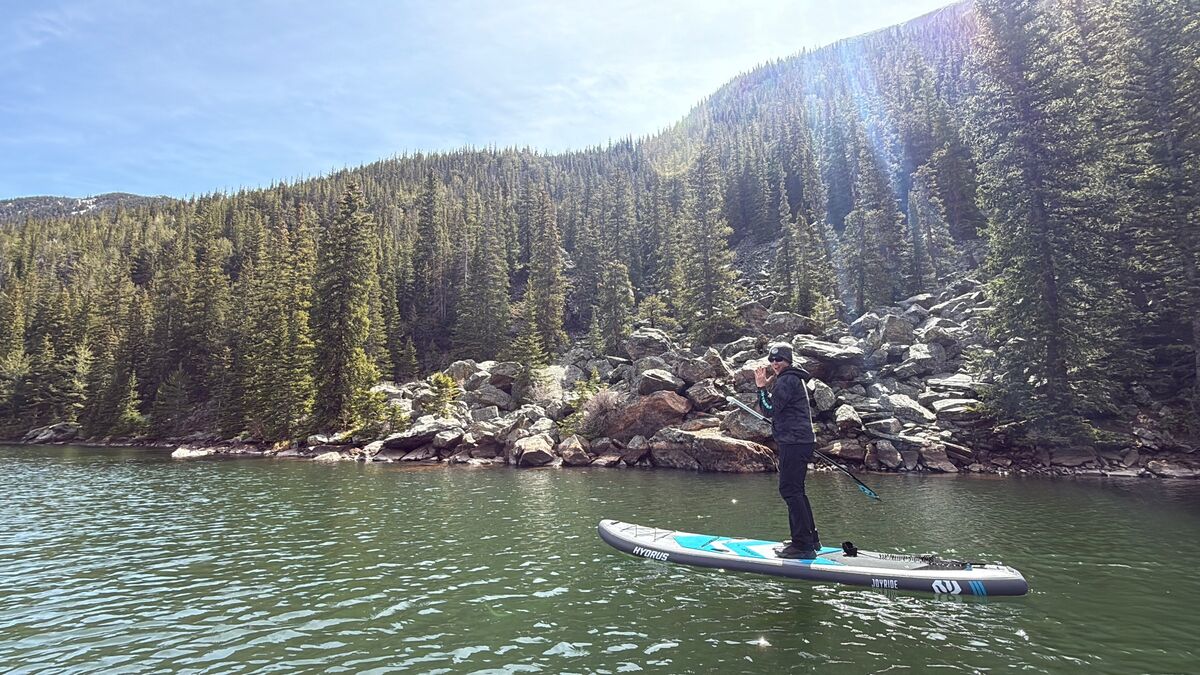
Your gear matters just as much as your preparation. Hydrus boards are built with Armalight™ technology, making them ultra-durable and ready for fall conditions. From stable boards like the Joyride XL to speedy touring options like the Paradise, you’ll feel confident knowing your board can handle cooler waters and seasonal adventures.
Pair your board with a quick-release leash, a solid PFD, and the right fall layers, and you’re set for safe and enjoyable paddles well into October and beyond.
Final Thoughts
Fall paddleboarding feels different because it is different. Your body responds to the temperature, the water density shifts, your breathing improves, and your mind reaps the benefits of calmer, more colorful surroundings. The science explains it, but the experience speaks for itself.
With the right preparation, fall can become your favorite time of year to paddle. So layer up, plan smart, and embrace the crisp, refreshing season of SUP. You’ll not only paddle differently, you’ll paddle better.

About the Author
Angela Nichole leads customer experience and creative direction at Hydrus Board Tech. A CrossFit and yoga instructor with a background in functional fitness and wellness, Angela writes to empower paddlers of all levels. With a passion for movement, community, and quality gear, she brings a grounded and inclusive voice to the Hydrus blog. Angela plays a key role in shaping the Hydrus experience on the water, behind the scenes, and through every customer connection. Get to know Angela here.
Leave a comment